What Are the Benefits of Physiotherapy After a DEXA Scan?
By Perth DEXA Scan | Perth CBD
Introduction
A DEXA scan provides accurate results on bone mineral density and body composition. While this information is valuable on its own, the real impact comes from what you do next. This is where physiotherapy plays an important role.
A DEXA scan can highlight important results such as low bone density, muscle imbalances, or increased body fat percentage. However, these results are only the starting point. Physiotherapy helps translate this data into a personalised plan that supports stronger bones, improved movement, and reduced injury risk.
For example, if your scan shows early signs of osteopenia or osteoporosis, a physiotherapist can design a targeted strength and weight-bearing exercise programme. These exercises stimulate bone growth and help slow or even reverse bone loss over time.
Improving Strength and Mobility
A DEXA scan is a low-dose imaging test used to measure bone mineral density. It is commonly used to assess osteoporosis risk and can help guide preventative health decisions.
For podiatry patients, bone density testing may be useful when there are concerns about:
Injury Prevention and Pain Management
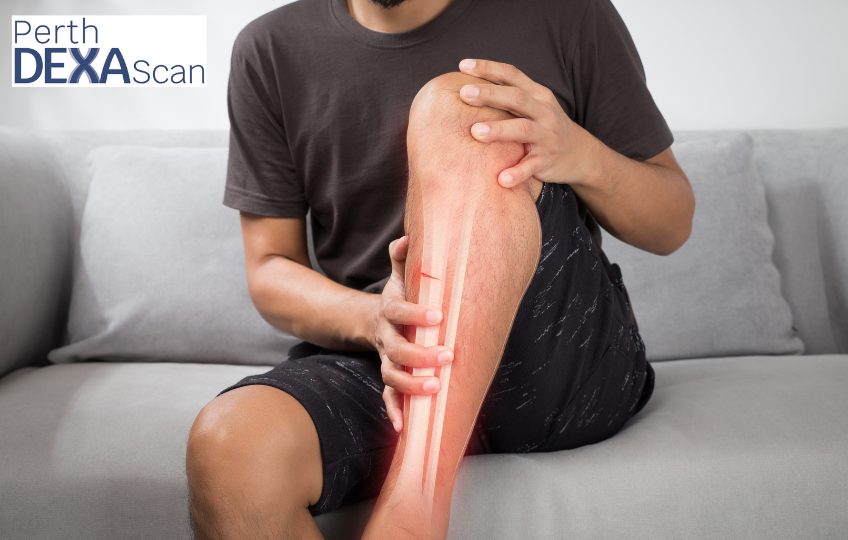
DEXA scans often reveal underlying issues before symptoms appear. Physiotherapy allows early intervention, reducing the likelihood of injuries such as fractures or chronic joint pain.
If you are already experiencing discomfort, physiotherapy can also provide effective pain management strategies. These may include manual therapy, guided exercise, and education around posture and movement patterns.
From a longevity perspective, combining DEXA scan results with physiotherapy creates a powerful strategy for maintaining independence and quality of life. Strong bones, good muscle mass, and efficient movement patterns are all linked to healthier ageing.
A physiotherapist can also collaborate with other healthcare providers to ensure your plan aligns with your broader health goals, whether that includes weight management, rehabilitation, or performance improvement.
FAQs
Can physiotherapy improve bone density? Yes. Weight-bearing and resistance exercises prescribed by a physiotherapist can help stimulate bone growth and slow bone loss, particularly in individuals with osteopenia or osteoporosis.
How soon should I see a physiotherapist after my scan? Ideally, you should follow up shortly after receiving your results. Early intervention allows you to address any risks before they progress.
Book a DEXA Scan in Perth
If you are over 50, have known risk factors for bone loss, or have been advised by your GP to investigate your bone health, a DEXA scan is the most clinically reliable way to assess your current bone health and plan appropriate intervention.
Don’t guess when it comes to your internal health. Understanding your visceral fat levels is the first step in protecting your pancreatic function and preventing long-term metabolic disease.