The Three Types of Exercise That Can Help Reduce Fracture Risk
By Perth DEXA Scan | Perth CBD
Introduction
If you have been diagnosed with low bone density or osteoporosis, you have likely been advised to exercise. However, many people are left wondering which types of exercise are most effective, how often they should be done, and how to exercise safely when there is a concern about fractures.
The good news is that research provides clear guidance. There are three main types of exercise that have strong evidence for reducing fracture risk. Understanding these can help you take a more confident and informed approach to your bone health.
Fractures occur when the force placed on a bone is greater than the bone’s strength. Exercise helps address this in two key ways: it can improve bone strength, and it can reduce the likelihood of falls, which are a major cause of fractures.
A key concept behind this is Wolff’s Law, which explains that bones adapt to the stresses placed upon them. When the right type of load is applied consistently, bones respond by becoming denser and structurally stronger.
1. Balance Training
Balance training is one of the most effective ways to reduce fracture risk. Its main benefit is not building bone directly, but reducing the likelihood of falls.
An effective balance programme should work on several areas at the same time, including:
Preparing the body before movement
Maintaining stability during movement
Understanding safe limits of movement
Recovering balance after an unexpected disturbance, such as a trip
For best results, balance exercises should be performed at least three times per week and gradually become more challenging. If the exercises feel too easy, they are unlikely to provide meaningful benefit.
2. Resistance (Strength) Training
Strength training helps improve muscle strength, which supports bone health in two important ways. Firstly, when muscles contract, they place stress on the bones, encouraging them to strengthen. Secondly, stronger muscles improve stability and reduce the risk of falling.
A common mistake is not training with enough intensity. Light weights or repeating the same routine without progression will not lead to meaningful improvements.
Key principles for effective strength training include:
Training close to muscle fatigue
Performing around 6 to 10 repetitions per set
Using slow, controlled movements
Gradually increasing the difficulty over time
Completing two to three sessions per week
3. Impact Training
Impact exercises place direct load on the bones and are particularly effective for stimulating increases in bone density.
Research shows that individuals who regularly participate in high-impact activities, such as sprinting or jumping sports, tend to have greater bone mass than those who do not.
High impact: jumping and more advanced plyometric exercises
It is important to progress gradually, allowing your body time to adapt. Introducing high-impact exercise too quickly can increase the risk of injury.
For individuals with certain conditions, such as severe joint issues or spinal problems, high impact exercise may not be suitable. In these cases, strength training with faster, more powerful movements may offer similar benefits without the same level of impact
The Role of a DEXA Scan
Before starting or progressing an exercise programme for bone health, it is important to understand your current bone density.
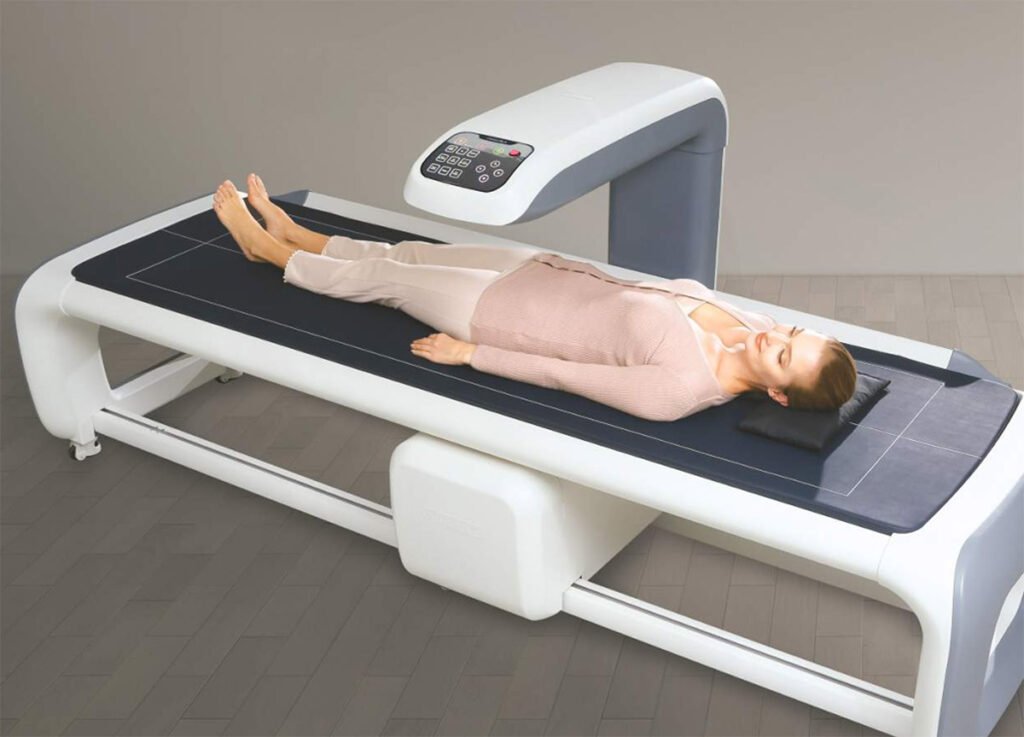
A DEXA scan provides a clear and objective measure of your bone health. This helps guide the type and intensity of exercise that is appropriate for you, allows progress to be monitored over time, and supports informed decisions about whether additional medical treatment may be required.
Take the First Step
Understanding your baseline is the first step towards improving your bone health.
Book your DEXA scan with Perth DEXA Scan to gain clear insights into your bone density and begin your exercise programme with confidence.
Take Control of Your Metabolic Health
Don’t guess when it comes to your internal health. Understanding your visceral fat levels is the first step in protecting your pancreatic function and preventing long-term metabolic disease.